How to Fast in Ramadan: A Step-by-Step Guide for Beginners
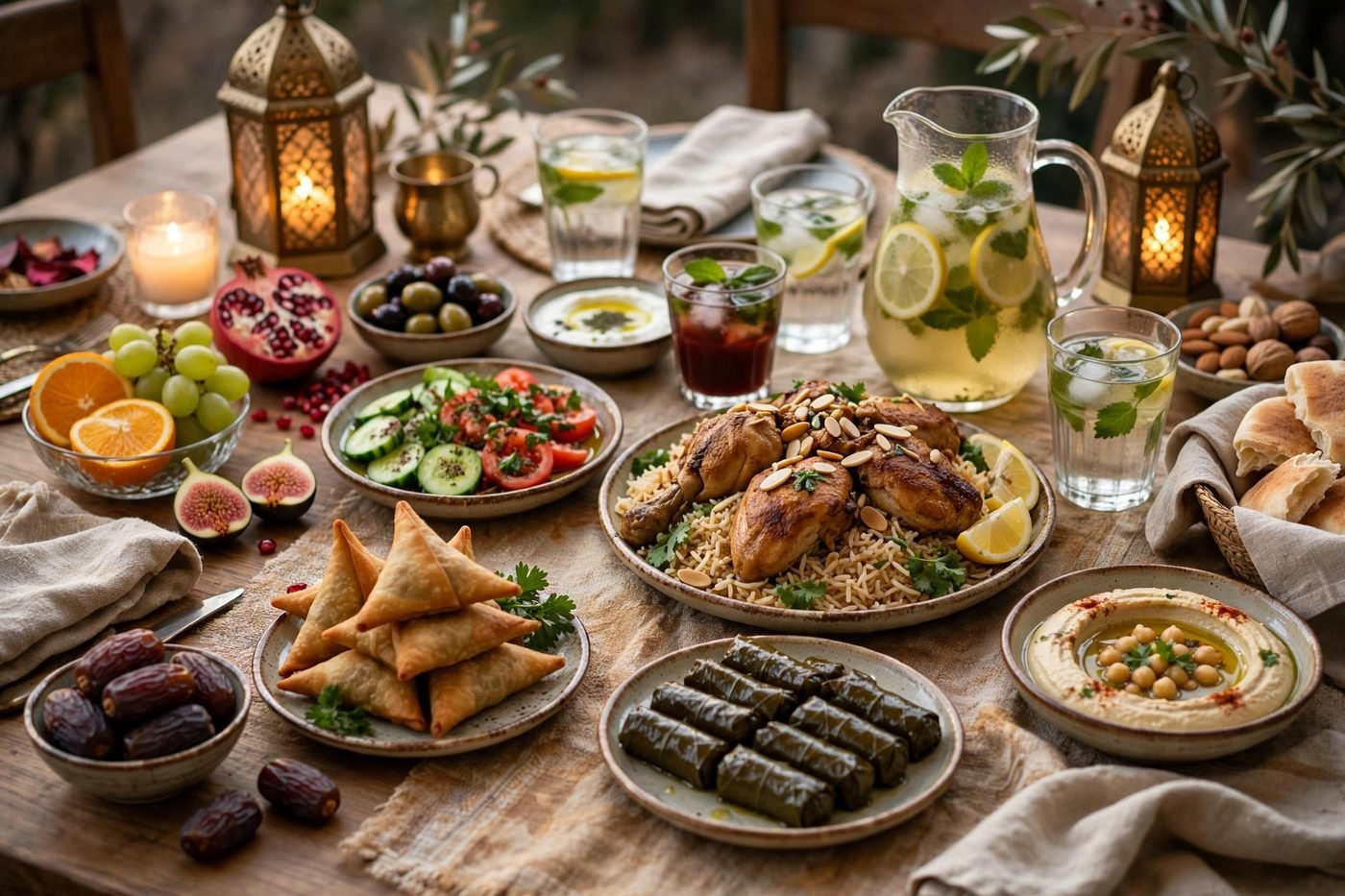
Quick answer: To fast in Ramadan: make the intention to fast before Fajr, eat sehri before dawn, abstain from food, drink and marital relations from Fajr until Maghrib, then break your fast at Maghrib with iftar. Pray taraweeh at night, guard your tongue and temper, and increase Quran and charity through the month.
Step 1: Make the intention (niyyah)
Every fast begins with an intention in the heart to fast for the sake of Allah. You do not need to say special words out loud, although many people find a quiet verbal intention helpful. For Ramadan, the majority of scholars hold that the intention should be made during the night, before Fajr, because the Prophet (peace be upon him) said there is no fast for one who did not intend it from the night.
Many scholars allow one intention at the start of Ramadan to cover the whole month, while others recommend renewing it each night — renewing it nightly is simple and removes all doubt. If you wake for sehri intending to fast, that intention is already present. What matters is that fasting is a conscious act of worship, not merely skipping meals.
Step 2: Eat sehri before Fajr — and delay it
Sehri (also called suhoor) is the pre-dawn meal eaten before the fast begins. The Prophet (peace be upon him) encouraged it strongly, saying: 'Eat sehri, for in sehri there is blessing.' Even a few dates and a glass of water count. Sehri gives you energy, hydration and a calmer first half of the day, and beginners who skip it usually struggle far more.
It is Sunnah to delay sehri until close to Fajr, rather than eating it in the middle of the night. Stop eating when Fajr time enters according to your local timetable — not when you feel full or when the adhan finishes on an app with a delay. Choose slow-release foods such as oats, eggs, yoghurt and whole grains, drink plenty of water, and go easy on salty and fried food, which increase thirst.
- Set two alarms: one to wake, one as your stop-eating warning ten minutes before Fajr
- Eat protein, complex carbohydrates and fruit; drink water steadily rather than all at once
- Avoid very salty, spicy and deep-fried food at sehri — it makes the day thirstier
- Brush your teeth after sehri; using toothpaste does not break the fast according to the majority, as long as nothing is swallowed
Step 3: The fasting day, from Fajr to Maghrib
From the moment Fajr enters until the sun sets at Maghrib, a fasting person abstains from food, drink (including water) and marital relations. Fasting is also a fast of the tongue, eyes and temper: the Prophet (peace be upon him) warned that whoever does not give up false speech and acting on it, Allah has no need of him giving up food and drink. Arguing, gossip and wasting the day undo much of the reward.
Structure your day around the five prayers. Many beginners find the hardest stretch is mid-afternoon, when energy dips; a short nap after Zuhr, if your schedule allows, genuinely helps and follows the example of taking a midday rest. Keep your usual work or study routine where possible — Ramadan is meant to be lived within normal life, not outside it.
Use the quieter hours productively: read a portion of Quran daily, learn a short surah, make dua in the last hour before iftar, and give even small charity. If you feel dizzy, unwell or genuinely unable to continue, Islam does not ask you to harm yourself — read our guide on who is exempt from fasting, and consult a scholar or doctor about your situation.
Step 4: Break your fast at Maghrib with iftar
When Maghrib enters, break your fast promptly — hastening iftar is Sunnah. The Prophet (peace be upon him) broke his fast with fresh dates, or dried dates, or a few sips of water, before praying Maghrib. Make the famous dua at this moment: the dua of a fasting person at iftar is not rejected, so ask Allah for your needs and for others before you eat.
Eat in two stages if you can: dates and water, pray Maghrib, then sit for the main meal. This prevents the heavy, sleepy feeling that comes from eating a huge meal on an empty stomach and leaves you able to stand for taraweeh. Eat moderately — filling the stomach completely is discouraged — and share your iftar where you can: feeding a fasting person earns the reward of their fast without reducing theirs.
Step 5: Taraweeh and your night routine
After Isha, Muslims pray taraweeh, the special night prayers of Ramadan, followed by witr. You can pray taraweeh in the mosque or at home, in units of two rakats, with short rests between them. Beginners should not be intimidated: start with what you can manage consistently, even eight rakats, and build up. Consistency across thirty nights matters more than one exhausting night followed by collapse.
Protect your sleep deliberately. A workable pattern for many people is: sleep after taraweeh, wake for sehri and Fajr, then take a further rest before work if your schedule allows, plus a short afternoon nap. In Ramadan 2027, which falls in February, nights are long in the northern hemisphere, so a decent block of sleep after taraweeh is realistic for most people.
Your first week, work etiquette, and mistakes
Expect the first three or four days to be the hardest. Headaches are often caffeine withdrawal rather than hunger, so taper coffee and tea in the week before Ramadan begins. By the second week, most healthy beginners find the body adapts: hunger comes in waves and passes, and the spiritual rhythm of the month starts to carry you.
At work or school, simply tell people you are fasting if questions come; most colleagues are understanding, and many are curious. You can still attend work lunches socially if you wish, and there is no need to apologise for fasting. Keep breath fresh with a miswak or careful brushing, be patient in traffic and meetings, and let people see the character fasting is meant to build.
Finally, the most common beginner worry: if you eat or drink forgetfully, your fast does not break. The Prophet (peace be upon him) said that whoever forgets while fasting and eats or drinks should complete his fast, for Allah fed him and gave him drink. As soon as you remember, stop, rinse your mouth if you wish, and carry on. Only deliberate eating breaks the fast.
Frequently asked questions
Can I brush my teeth while fasting?
Yes, according to the majority of scholars, brushing with toothpaste does not break the fast as long as you take care not to swallow any of it. Gargling should be gentle for the same reason. The miswak is recommended throughout the day. If you are worried about swallowing paste, brush thoroughly at sehri and after iftar instead.
What if I accidentally eat or drink while fasting?
If it was genuinely forgetful, your fast remains valid and you simply continue until Maghrib. The Prophet (peace be upon him) taught that Allah fed and gave drink to the one who eats forgetfully. Once you remember, stop immediately. Deliberately continuing to eat after remembering is what breaks the fast.
Do I have to wake up for sehri for my fast to count?
Sehri is a strongly recommended Sunnah full of blessing, and it makes the day far easier, but a fast made with the intention before Fajr is valid even if you oversleep and miss sehri. Try to eat something before sleeping in that case, set multiple alarms, and treat waking for sehri and Fajr prayer as part of the Ramadan routine.
Can beginners fast only part of the day to practise?
Children who have not reached puberty are not obliged to fast, and many families let them practise with part-day fasts. Adults who are obliged to fast, however, must fast the full day from Fajr to Maghrib for the fast to count. New Muslims finding it difficult should speak to a scholar, who can help them build up correctly and kindly.
What should I eat at iftar to recover well?
Begin with dates and water, as the Prophet (peace be upon him) did, then pray Maghrib before the main meal. Build the meal around soup, protein, vegetables and complex carbohydrates, and rehydrate steadily through the evening rather than drinking a huge amount at once. Avoid very heavy fried food every night; it makes taraweeh and the next day's fast harder.