Itikaf Guide: How to Do Itikaf in the Last Ten Days of Ramadan
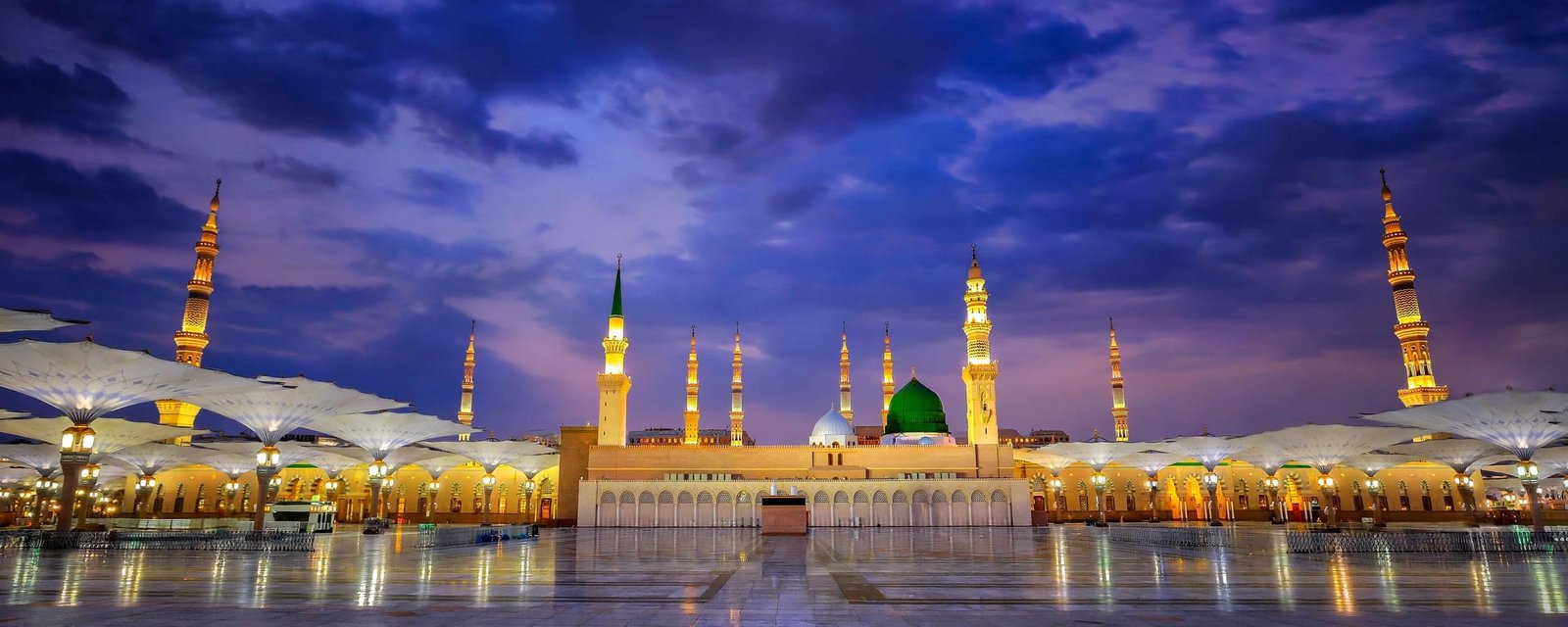
Quick answer: Itikaf is staying in the mosque for worship during the last ten days of Ramadan, seeking Laylat al-Qadr. In 2027 the Sunnah itikaf is commonly entered before Maghrib on Saturday 27 February and ends at Maghrib on the last day of Ramadan — expected, subject to moon sighting. You leave only for genuine necessities.
What is itikaf and why do it?
Itikaf means devoting yourself to worship in the mosque, cutting back on worldly distractions for a set period. The Prophet Muhammad, peace be upon him, performed itikaf in the last ten days of Ramadan every year until his death, and his wives continued the practice after him.
Its purpose is focus: ten days in which prayer, Quran, dhikr and dua are not squeezed around work and screens, but become the day itself. It is also the most reliable way to catch Laylat al-Qadr, because you are present and worshipping on every one of its possible nights.
When to enter and when it ends
The common practice for the full Sunnah itikaf is to enter the mosque before Maghrib on the evening the 21st night begins — in 2027, before sunset on Saturday 27 February, expected and subject to moon sighting — with the intention of itikaf for the last ten days.
There is another scholarly view, based on a narration that the Prophet entered his place of itikaf after Fajr, that a person enters on the morning of the 21st day. Both views are held by respected scholars; follow your mosque's practice and the guidance you follow, and make your intention clearly either way.
Itikaf ends at Maghrib on the last day of Ramadan, when the sighting of the Shawwal moon is announced — expected on 8 or 9 March 2027. Many people stay until after Maghrib prayer before going home to prepare for Eid.
What you may leave the mosque for
A person in itikaf should not leave the mosque except for a genuine necessity. Necessities recognised by scholars include using the toilet where facilities are outside the prayer area, making ghusl when needed, getting food if no one can bring it, and urgent medical needs.
There is a difference of opinion about leaving for Friday prayer if the mosque of itikaf does not hold it. Many scholars permit going to the nearest mosque for Jumuah and returning promptly; others advise doing itikaf only in a mosque where Friday prayer is held. Ask before you start.
When you do go out for a necessity, go directly, do what is needed without unnecessary delay or socialising, and return. Casual trips home, shopping, visiting friends or attending gatherings are not necessities and, according to the majority, break the itikaf.
What breaks itikaf
Leaving the mosque without a valid need breaks itikaf according to the majority of scholars. Marital relations also invalidate it — the Quran itself instructs those in itikaf in the mosques not to approach their spouses during those nights (2:187).
If a Sunnah itikaf is broken, most scholars do not require it to be made up, though some recommend completing the days missed. An itikaf made obligatory by a vow (nadhr) is different: it must be fulfilled, and if broken it must be restarted or made up according to the terms of the vow.
Phones, talking and daily life in itikaf
Itikaf is not a vow of silence, and necessary conversation is fine. But the spirit of the practice is retreat, so treat your phone as the main threat to it. Tell family you will check messages once or twice a day, turn off news and social media, and keep the phone away during worship.
Using the internet briefly for Quran classes, Islamic lessons or essential family and work matters is treated leniently by many contemporary scholars, but hours of scrolling defeats the purpose you entered for. Eat simply, sleep when you need to, and keep your corner of the mosque clean and considerate.
Women, and shorter forms of itikaf
The majority position across the schools is that women's itikaf, like men's, takes place in a mosque, and many mosques now provide a women's section for the last ten days. A well-known view in the Hanafi school permits a woman to do itikaf in a designated prayer area at home. Present both fairly and follow the school or scholar you trust.
Not everyone can take ten days. Several schools recognise a voluntary (nafl) itikaf for a shorter period — a night, a day, or even a few hours spent in the mosque with the intention of itikaf. The Hanafi school traditionally ties Sunnah itikaf to the full ten days with fasting, so check the view you follow for shorter stays.
Frequently asked questions
When do I enter itikaf in 2027?
For the full last-ten-days itikaf, common practice is to enter before Maghrib on Saturday 27 February 2027, when the 21st night begins — expected, subject to moon sighting. Another scholarly view enters on the morning of the 21st day, Sunday 28 February. Confirm the arrangement with the mosque where you will stay.
Can I go home to shower during itikaf?
If shower facilities are not available in the mosque, going home briefly for a necessary ghusl is permitted by many scholars, provided you go directly and return without delay. A purely refreshing shower when facilities exist in the mosque is different. When in doubt, use the mosque facilities or ask a scholar beforehand.
Does itikaf require fasting?
For the Sunnah itikaf of the last ten days, you are fasting anyway because it is Ramadan. Scholars differ on whether a standalone voluntary itikaf outside Ramadan must be combined with a fast; the Hanafi school generally requires fasting for a valid itikaf, while others do not. Follow the school you follow for itikaf outside Ramadan.
Can I do itikaf for just one night?
Many scholars allow a voluntary itikaf for a night or even a few hours: you enter the mosque with the intention of itikaf and stay in worship for that period, which is an excellent option for the odd nights. Views differ between schools on minimum duration, so a short stay done sincerely is widely accepted as nafl worship.
What if illness forces me to leave itikaf?
Leave and look after your health; necessity is recognised in the Shariah and there is no blame for what is beyond your control. For a Sunnah itikaf most scholars do not oblige you to make up the remaining days, though you may complete them voluntarily if you recover before Ramadan ends.