Laylat al-Qadr Guide 2027: Dates, Signs, Dua and What to Do
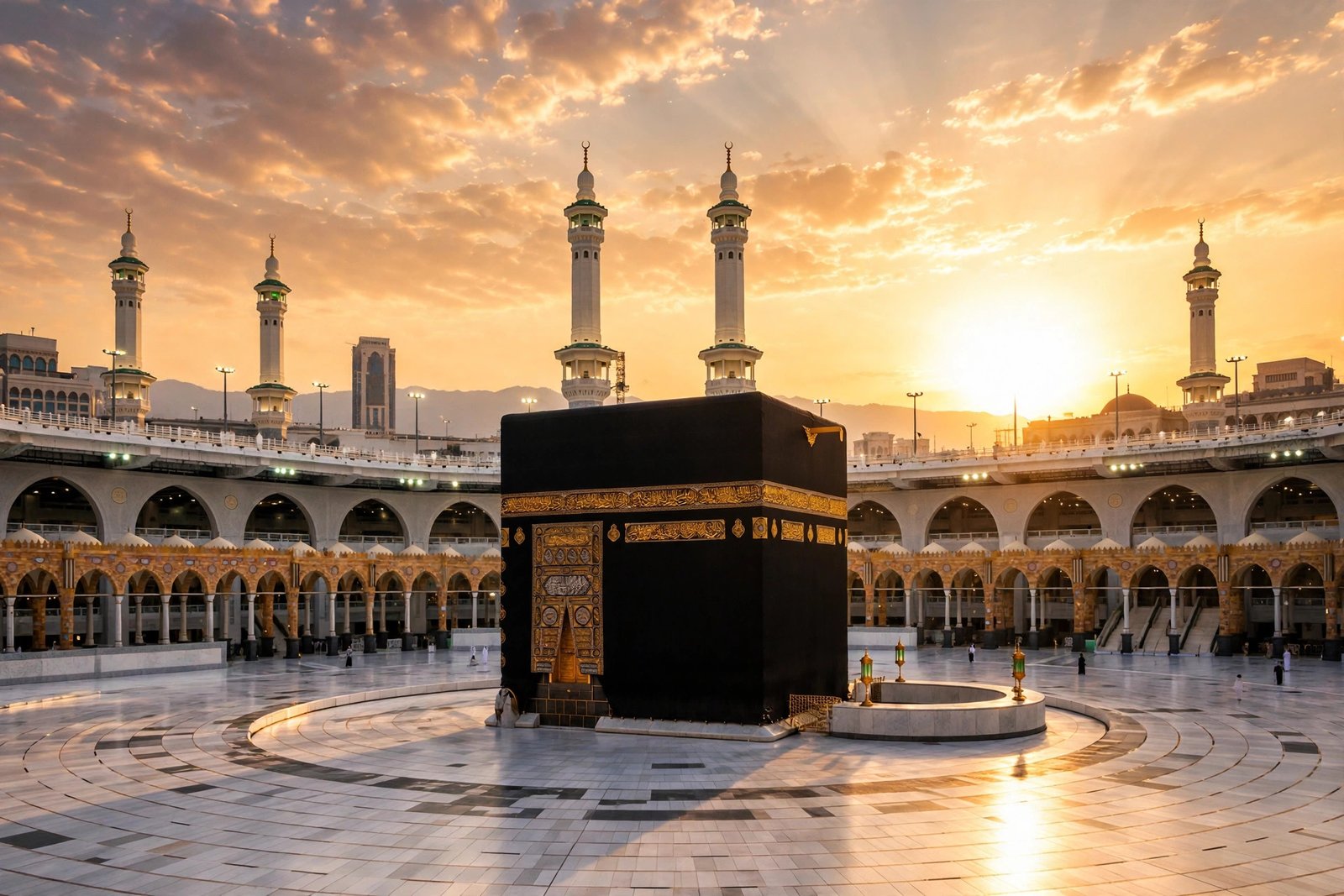
Quick answer: Laylat al-Qadr, the Night of Decree, is the night in the last ten nights of Ramadan when the Quran was first revealed, and worship on it is better than a thousand months. In 2027, seek it on the odd nights beginning at Maghrib on 27 February, 1, 3, 5 and 7 March — all dates expected, subject to moon sighting.
What is Laylat al-Qadr?
Laylat al-Qadr means the Night of Decree, or the Night of Power. Surah al-Qadr (chapter 97) describes it as the night in which the Quran was sent down, a night better than a thousand months — more than eighty-three years of worship — when angels descend and there is peace until dawn.
Muslims believe that on this night Allah decrees matters for the coming year and forgives those who stand in prayer with faith and hope of reward. The Prophet Muhammad, peace be upon him, said that whoever prays on Laylat al-Qadr with sincere faith will have their previous sins forgiven.
The exact night was not fixed for us, and scholars say there is wisdom in that: instead of worshipping hard on one night only, we are encouraged to strive across the last ten nights of Ramadan, any one of which could be the night we are seeking.
When is Laylat al-Qadr in 2027?
The Prophet, peace be upon him, told us to seek Laylat al-Qadr in the odd nights of the last ten nights of Ramadan. Ramadan 1448 is expected to begin on Monday 8 February 2027, so the last ten nights begin at Maghrib on Saturday 27 February 2027 — expected, subject to moon sighting.
Remember that an Islamic night begins at Maghrib: the night of 21 Ramadan begins at sunset on 27 February, the evening that closes the 20th day of fasting, and the day of 21 Ramadan itself is 28 February. The odd nights to mark in 2027 are:
- 21st night: begins at Maghrib on Saturday 27 February 2027
- 23rd night: begins at Maghrib on Monday 1 March 2027
- 25th night: begins at Maghrib on Wednesday 3 March 2027
- 27th night: begins at Maghrib on Friday 5 March 2027 — the night most widely expected to be Laylat al-Qadr; the 27th fast is on 6 March
- 29th night: begins at Maghrib on Sunday 7 March 2027
Signs mentioned in hadith
Some signs are reported in hadith. The night is described as peaceful, neither hot nor cold, and calm. A well-known narration says the sun rises the following morning white and weak, without strong rays. Other reports mention a stillness and a special sweetness in worship that night.
Present these as reported signs, not guarantees. Scholars caution against spending the night sign-spotting instead of worshipping, or feeling certain afterwards that a particular night was definitely Laylat al-Qadr. The signs are encouragements, not a checklist, and the reward is for the worship itself.
The special dua for Laylat al-Qadr
Aisha, may Allah be pleased with her, asked the Prophet what she should say if she knew which night was Laylat al-Qadr. He taught her this dua: اللَّهُمَّ إِنَّكَ عَفُوٌّ تُحِبُّ الْعَفْوَ فَاعْفُ عَنِّي — transliterated as: Allahumma innaka 'afuwwun tuhibbul-'afwa fa'fu 'anni.
It means: O Allah, You are Pardoning and You love to pardon, so pardon me. Repeat it often through these nights, slowly and with presence of heart. Asking for pardon — complete wiping away of sins, not merely forgiveness — is the heart of this beautiful, short supplication.
What to do on these nights
Plan the nights like appointments you will not miss. Rest in the afternoon if you can, break your fast lightly enough to stay alert, pray Isha and Taraweeh in congregation where possible, and then set aside personal time later in the night for prayer, Quran and dua.
Prepare a written dua list in advance: forgiveness, your parents, your family, health, provision, guidance for your children, relief for people suffering around the world, and your own most private needs. Having the list ready stops you running out of words at 2 a.m.
- Pray extra nafl prayers, including Tahajjud in the last part of the night
- Read and reflect on the Quran, especially Surah al-Qadr and Surah al-Mulk
- Repeat dhikr: SubhanAllah, Alhamdulillah, Allahu Akbar, and istighfar
- Make long, personal dua, including the Laylat al-Qadr dua above
- Give charity, even a small amount, on every odd night so it certainly falls on the night
You do not have to stay awake all night
Staying awake the entire night is not a condition for reward. Parents of young children, shift workers, carers and people who are unwell should do what they genuinely can: pray what you are able, read some Quran, make dua before sleeping and again before Fajr if you wake.
Giving Zakat and sadaqah is especially popular on these nights because a deed done on Laylat al-Qadr is multiplied beyond a thousand months. Many people split their charity across all ten nights. Check any Zakat still due with the main calculator before Ramadan ends.
Frequently asked questions
Which night is Laylat al-Qadr in 2027?
It is not known for certain. It falls in the odd nights of the last ten nights of Ramadan: the nights beginning at Maghrib on 27 February, 1, 3, 5 and 7 March 2027, expected and subject to moon sighting. The 27th night, beginning 5 March, is the most widely expected, so worship on all five.
Is the 27th night definitely Laylat al-Qadr?
No. Many scholars and much popular practice favour the 27th, and there are narrations supporting it, but others note reports pointing to the 21st, 23rd or other odd nights, and that it may move between years. The safe approach taught by the Prophet is to seek it across all the odd nights.
What if I miss Laylat al-Qadr because of work or children?
Do what you can on each odd night: pray Isha and some night prayer, repeat the special dua, give a little charity and make sincere dua before sleeping. Allah rewards intention and effort. A shorter night of sincere worship is not wasted, and no one should harm their health or neglect duties chasing an all-night vigil.
Can women in menstruation seek Laylat al-Qadr?
Yes, in ways other than formal prayer and fasting. They can make dua, repeat dhikr and the Laylat al-Qadr dua, listen to or read translation and tafsir of the Quran, and give charity. Many scholars allow reading Quran from memory or a phone without touching a printed mushaf; follow the guidance you trust.
Should I give my Zakat on Laylat al-Qadr?
You may, and many people time voluntary sadaqah and their annual Zakat for these nights hoping for multiplied reward. Just make sure the Zakat itself is calculated correctly and reaches eligible recipients. Zakat is due on your own hawl date; paying it in Ramadan is a choice many make, not a separate obligation.